
Utah winterizing checklist: sprinklers, hose bibs and swamp coolers
Three fall jobs that protect a Salt Lake home from freeze damage, what each one involves, and when it makes sense to call for help.

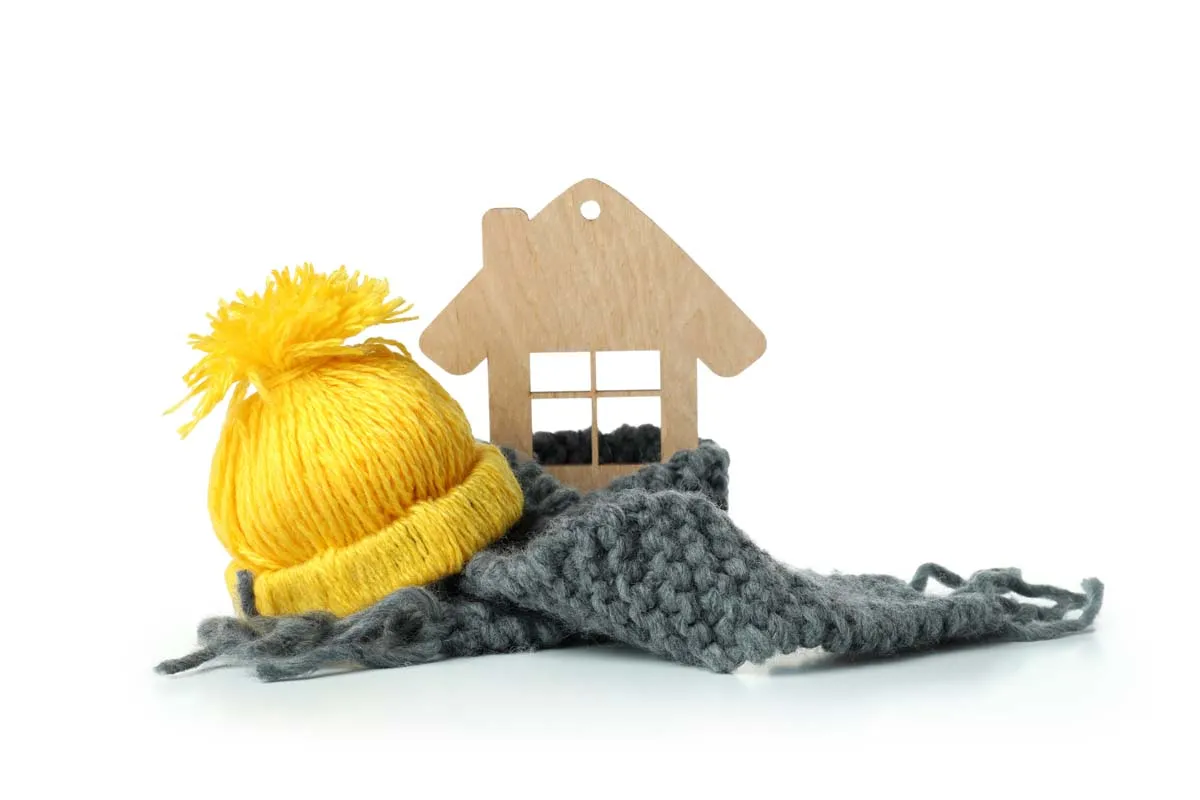
Most freeze damage in a Salt Lake home starts the same way. Water sits in a pipe, a hose or a cooler line, the temperature drops overnight, and the water expands as it freezes. The crack does not always show up right away. You find the split sprinkler pipe in April when a zone will not hold pressure, or a stain appears on the basement ceiling under the outdoor faucet once the weather warms.
The good news is that three fall jobs cover most of that risk for a typical valley home: clearing the sprinkler system, shutting down the hose bibs, and putting the swamp cooler to bed. Here is what each one involves and how to tell when it is time.
Key takeaways
- Finish the outdoor water jobs before the first hard freeze, which in the Salt Lake Valley can arrive any time from October into November.
- A sprinkler blowout clears water from the pipes, valves and heads with compressed air. A small garage compressor often cannot move enough air to do it properly.
- Disconnect every garden hose. A hose left attached can crack even a frost-free faucet.
- Shut down the swamp cooler: power off, water off, line and pan drained, then covered, with the indoor vent closed.
- The same weekend is a good time to change the furnace filter, clear gutters, check weatherstripping and test smoke and carbon monoxide alarms.
When to winterize
There is no single date that works every year. The goal is to finish outdoor water jobs before the first hard freeze, which in the Salt Lake Valley can come any time from October into November depending on the year. Homes on the benches and in higher neighborhoods usually get cold sooner than the valley floor.
Watch the forecast from the National Weather Service office in Salt Lake City at weather.gov/slc, and pick a dry day when it is above freezing so the lines can drain. If your sprinklers run on secondary irrigation water, your water company will announce its own shut-off date each fall, and that is a good reminder to schedule the rest.
| Job | When | What it protects against |
|---|---|---|
| Sprinkler blowout | Before the first hard freeze | Split pipes, cracked valves and broken heads found in spring |
| Hose bibs and outdoor faucets | Before the first hard freeze | A cracked faucet or a leak inside the wall |
| Swamp cooler shutdown | When the cooling season ends | A cracked water line, and heat escaping through the duct all winter |
| Furnace filter | As the heat comes on, then through the season | Poor airflow and a furnace working harder than it needs to |
Sprinkler blowout
Most sprinkler systems here do not drain themselves completely, so water stays in the pipes, valves and heads after you turn the system off. A blowout uses compressed air to push that water out, one zone at a time.
The basic steps look like this:
- Turn the controller to off or rain mode so it does not try to run a zone during the blowout.
- Close the main shut-off valve that feeds the sprinkler system.
- Connect an air compressor at the blowout port, which is usually near the backflow preventer.
- Open one zone at the controller and add air until the heads spit only mist, then move to the next zone.
- Drain the backflow preventer and leave its small test cocks and valves in the position the manufacturer recommends for winter.
A few cautions matter here. Keep air pressure moderate, because too much can damage heads, fittings and pipe. Never run the compressor with every zone closed. Wear eye protection and stay clear of the heads, since they can throw debris. A small garage compressor often cannot move enough air to clear a zone properly, which leaves water behind and gives a false sense of security.
Some systems have manual or automatic drain valves instead of a blowout port. If you are not sure which kind you have, or the backflow preventer looks unfamiliar, it is worth having someone look at it once so you know the routine for future years. If a zone already had problems this summer, fall is a good time to have those leaks or broken heads looked at too. Our sprinkler repair service covers both.
Hose bibs and outdoor faucets
Start by disconnecting every garden hose. A hose left on the faucet traps water inside, and that is enough to crack even a frost-free faucet. Drain the hoses and store them somewhere out of the cold.
What comes next depends on the faucet. Older standard faucets have a shut-off valve inside the house, usually in the basement or a utility area near the spot where the pipe goes through the wall. Close that valve, then open the outdoor faucet to let the water run out. Many of these inside valves have a small cap you can loosen to drain the last bit of water into a bucket. Leave the outdoor faucet open over winter.
Frost-free faucets have a long body that puts the actual valve inside the warm part of the wall. With the hose removed they drain on their own, as long as they were installed with a slight downward slope. An insulated faucet cover adds a little extra protection on either type.
While you are there, look for signs of past trouble. A faucet that drips constantly, a water stain on the ceiling or wall inside near the faucet, or a handle that spins without shutting off are all worth fixing before spring. Our leaky faucet repair page has more on that.
Swamp cooler shutdown
Evaporative coolers are common in Salt Lake because they work well in our dry summers. They also hold water, and a cooler that is not shut down can freeze, crack its water line, or let warm air leak out of the house all winter.
A standard shutdown covers these steps:
- Turn off power to the cooler at its plug, switch or breaker.
- Close the water supply valve that feeds the cooler, often in the basement, attic or a utility room.
- Disconnect the water line at the cooler and let it drain.
- Drain the pan, scrub out sediment and mineral scale, and let it dry.
- Cover the cooler with a fitted cover, and close or cover the indoor vent so heat does not escape through the duct.
Many coolers sit on the roof, which makes this a ladder and roof job in cold weather. If that is not something you are comfortable with, it is a good one to hand off. Replacing worn pads can wait until spring start-up.
Other jobs for the same weekend
If you are already working through a fall list, a few more items fit well alongside these. Replace the furnace filter as the heat comes on, and check it again through the season. Clear gutters and downspouts once most of the leaves are down. Look at the weatherstripping and caulk around outside doors and windows. Test your smoke and carbon monoxide alarms and replace any that are past the maker's recommended age.
We have pages on furnace and HVAC filter replacement, gutter cleaning, caulking and grouting and carbon monoxide detector installation if you want more detail on any of them.
Frequently asked questions
When should I winterize my sprinklers in Salt Lake City?
Before the first hard freeze, which in the valley can come any time from October into November. Homes on the benches usually get cold sooner, so plan a little earlier there.
What happens if I do not blow out my sprinkler system?
Water left in the pipes, valves and heads can freeze and crack them. The damage often shows up in spring, when a zone will not hold pressure.
Do frost-free faucets need winterizing?
They drain on their own once the hose is removed, as long as they were installed with a slight downward slope. Always disconnect the hose, since a hose left on can trap water and crack the faucet.
How do I shut down a swamp cooler for winter?
Turn off its power and water supply, disconnect and drain the water line, drain and clean the pan, then cover the cooler and close the indoor vent.
What else should I do to get my home ready for winter?
Change the furnace filter, clear the gutters and downspouts, check weatherstripping and caulk around doors and windows, and test your smoke and carbon monoxide alarms.
When to call for help
Plenty of homeowners handle all of this themselves. Others would rather not haul a compressor around the yard or climb onto the roof in November. If that is you, our winterizing service covers the outdoor water jobs and the rest of the fall list in one visit. Use the Book Now button or call us at (801) 893-6756, Monday to Saturday, 8am to 6pm.

Tim Leary, the visionary entrepreneur behind 'Handy's.' With a solid background in residential real estate spanning 7 years and continuing, Tim has witnessed firsthand the gaps in reliability and trust within the industry.