
Preventing ice dams in Salt Lake homes
What causes the ridge of ice along the roof edge, why some Salt Lake homes get it every winter, and the fixes that help most.

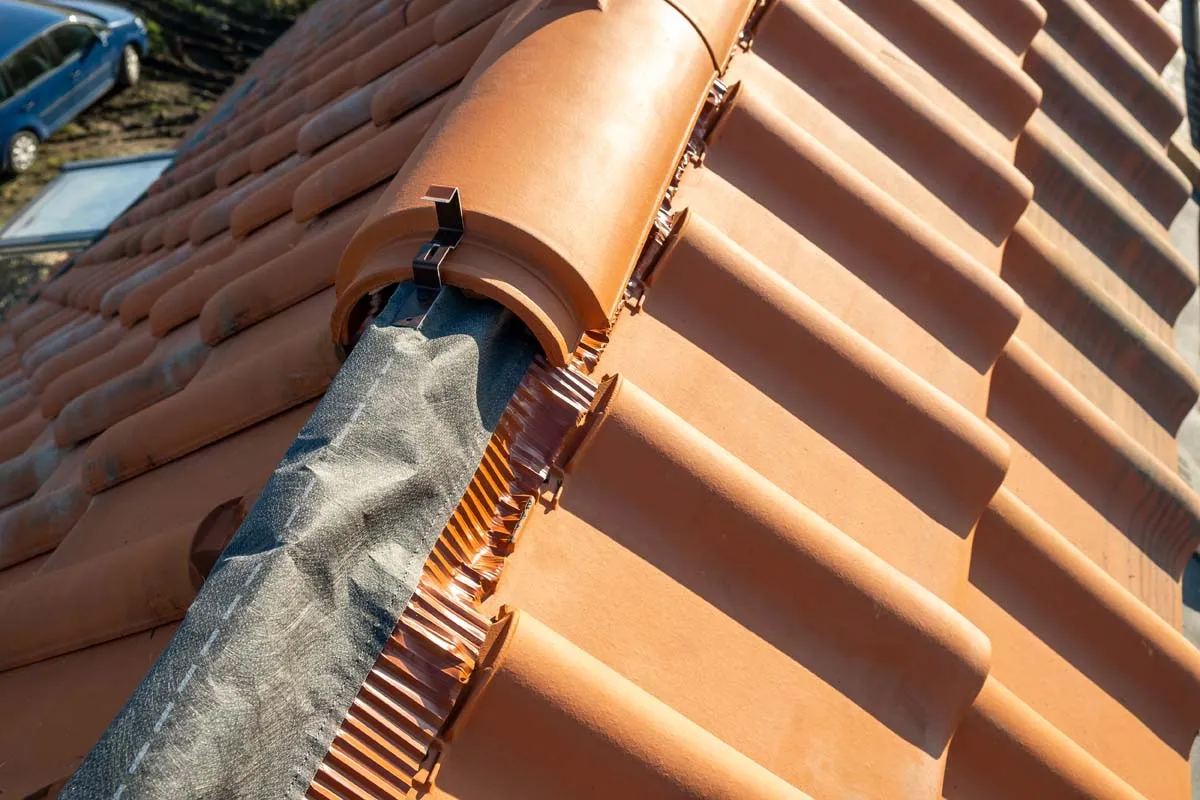
An ice dam is the ridge of ice that builds up along the lower edge of a roof in winter, often with a row of icicles hanging off the gutter. It can look harmless, even pretty. The trouble is what happens behind it. Meltwater from higher up the roof gets trapped behind the ice, backs up under the shingles, and finds its way into the attic, the walls or the ceiling below.
Salt Lake winters are a good recipe for ice dams. Storms leave snow on the roof, sunny days and a warm attic melt some of it, and cold nights freeze it again at the roof edge. Here is how that happens and what you can do about it.
Key takeaways
- An ice dam is a ridge of ice at the roof edge that traps meltwater, which can back up under the shingles and leak inside.
- Most ice dams start with heat leaking from the house into the attic and melting snow on the roof from below.
- The lasting fix is a cold roof deck: air sealing first, then enough attic insulation, then clear soffit and ridge ventilation.
- Outside, clear the gutters in fall and use a roof rake from the ground after big storms. Heat cables treat the symptom, not the cause.
- If a dam forms, do not climb an icy roof or chip at the ice. Use a roof rake from the ground and watch inside for water stains.
How ice dams form
Most ice dams start inside the house. Heat from the living space leaks into the attic, warms the underside of the roof, and melts the snow sitting on top of it. That water runs down the roof until it reaches the eaves, the part of the roof that hangs out past the walls. The eaves sit over the cold outdoor air instead of the warm attic, so the water freezes there.
Each round of melting and freezing adds to the ridge. Eventually the ice is tall enough to hold back a pool of water, and shingles are made to shed water, not to sit in it. That pooled water seeps up under the shingles and through the roof deck.
Clogged gutters make it worse. When the gutter is already full of frozen leaves, meltwater has nowhere to drain and freezes right at the edge.
Why some homes get them every winter
If your house gets ice dams year after year while the neighbors do not, the cause is usually heat loss into the attic. A few things make it more likely.
Older homes, which Salt Lake has plenty of in neighborhoods like the Avenues and Sugar House, were often built with less insulation than newer homes, and many have gaps where warm air leaks into the attic. Story-and-a-half homes with sloped ceilings and knee walls upstairs are prone to it too, because there is little space between the warm room and the cold roof. Homes on the benches and in the canyons tend to get more snow, which gives an ice dam more to work with.
Recessed lights in the top floor ceiling, an uninsulated attic hatch, and bathroom fans that vent into the attic instead of outside can all add heat and moisture right where you do not want it.
| Cause | What you might notice | What helps |
|---|---|---|
| Warm air leaking into the attic | Snow melting on the roof while the eaves stay frozen | Air sealing around pipes, wiring, lights and the attic hatch |
| Too little attic insulation | You can see the tops of the ceiling joists | Adding insulation once the leaks are sealed |
| Blocked or missing ventilation | Frost on the underside of the roof deck | Clear soffit vents and venting near the ridge |
| Bath or kitchen fans venting into the attic | Damp insulation near the fan | Venting the fan all the way outside |
| Clogged gutters | Icicles and ice packed in the gutter | Fall gutter cleaning |
Prevention starts in the attic
The most lasting fix is keeping the roof deck cold so snow does not melt from below. That comes down to three things.
Air sealing comes first. Warm air escapes into the attic through gaps around plumbing pipes, wiring holes, chimneys, light fixtures and the attic hatch. Sealing those gaps with the right caulk, foam or weatherstripping cuts the heat that reaches the roof.
Insulation comes next. Once the leaks are sealed, enough insulation on the attic floor keeps the heat in the living space. If you can see the tops of your ceiling joists in the attic, there is probably room for more.
Ventilation finishes the job. Vents at the soffits and near the ridge let cold outside air move under the roof deck, which keeps it closer to the outdoor temperature. Make sure insulation is not blocking the soffit vents, and that bath and kitchen fans vent all the way outside.
Larger air sealing and insulation projects are often handled by an insulation contractor. Utilities sometimes offer rebates for this kind of work, so check your electric and gas company's websites before you start.
Outside the house
Clear gutters and downspouts in the fall so meltwater has a path off the roof. Check that gutters are firmly attached, since ice adds a lot of weight. See our post on gutter cleaning before the first snow for the details.
After a big storm, a roof rake with a long handle lets you pull the bottom few feet of snow off the roof from the ground. Less snow at the edge means less meltwater to refreeze there. Work from the ground, pull gently so you do not damage the shingles, and watch for power lines.
Some homeowners install heat cables along the roof edge and in the gutters. They can help in problem spots, but they treat the symptom rather than the cause, they use electricity all winter, and they need an outdoor outlet with GFCI protection. Follow the manufacturer's instructions closely if you go that route.
When a roof is replaced, roofers commonly install an ice and water barrier along the eaves under the shingles. It does not stop ice dams from forming, but it adds a layer of protection against leaks.
If an ice dam has already formed
Do not climb onto an icy roof, and do not chip at the ice with a hammer, axe or shovel. It is easy to damage the shingles and gutters, and easier still to fall.
A roof rake from the ground is the safest first step. Some people lay a nylon stocking filled with calcium chloride ice melt across the dam so it melts a channel for the water to drain. Do not use rock salt, which can damage roofing, metal and plants. Keep any ice melt away from plants as much as you can.
Inside, look for water stains on ceilings or walls near the outside walls, peeling paint, or damp insulation in the attic. If water is coming in, put down towels and buckets, move valuables away, and call a roofer or your insurance company if the leak is large.
Frequently asked questions
What causes ice dams on a roof?
Heat leaking into the attic warms the roof and melts the snow on it. The water runs down to the colder eaves and freezes, and each round of melting and freezing adds to the ridge.
How do I prevent ice dams?
Keep the roof deck cold. Seal air leaks into the attic, add insulation once the leaks are sealed, keep soffit and ridge vents clear, and clean the gutters each fall.
Should I remove an ice dam myself?
Do not climb onto an icy roof or chip at the ice. A roof rake used from the ground is the safest first step.
Do heat cables stop ice dams?
They can help in problem spots, but they treat the symptom rather than the cause and use electricity all winter. They also need an outdoor outlet with GFCI protection.
What are the signs an ice dam is leaking into my house?
Water stains on ceilings or walls near the outside walls, peeling paint, or damp insulation in the attic. If water is coming in, protect the area and call a roofer or your insurance company if the leak is large.
Repairing the damage
Once the weather turns, it is worth checking the roof edge and gutters for damage, and fixing any interior stains before they spread. Our minor roof repair, gutter maintenance, drywall repair and paint touch-up services cover the usual clean-up after an ice dam. To get ahead of next winter, add gutter cleaning and winterizing to your fall list. Use the Book Now button or call us at (801) 893-6756, Monday to Saturday, 8am to 6pm.

Tim Leary, the visionary entrepreneur behind 'Handy's.' With a solid background in residential real estate spanning 7 years and continuing, Tim has witnessed firsthand the gaps in reliability and trust within the industry.